
How To Remove Scratches From Fake Patent Leather Shoes
Related searches: Qualityreps Replica Sneakers Reps Clothing 1:1 Replica Sneakers Replica Designer Shoes
Scratches on fake patent leather shoes can be fixed fast with the right tools. Use a microfiber cloth and a dab of baby oil or olive oil to gently buff out light scuffs—no harsh chemicals needed. For deeper marks, try a patent leather cleaner or a soft eraser, but avoid abrasive pads that’ll dull the finish. Qualityreps ships repsneakers only after HD QC checks, including UV anti-counterfeit lighting and loose thread inspections, so your pair arrives flawless. If you’re dealing with full-grain tumbled leather or real suede/nubuck, a buttery suede brush works better than brute force. Always test cleaners on a hidden spot first—precision matters more than pressure. Keep your reps looking sharp without the hassle.
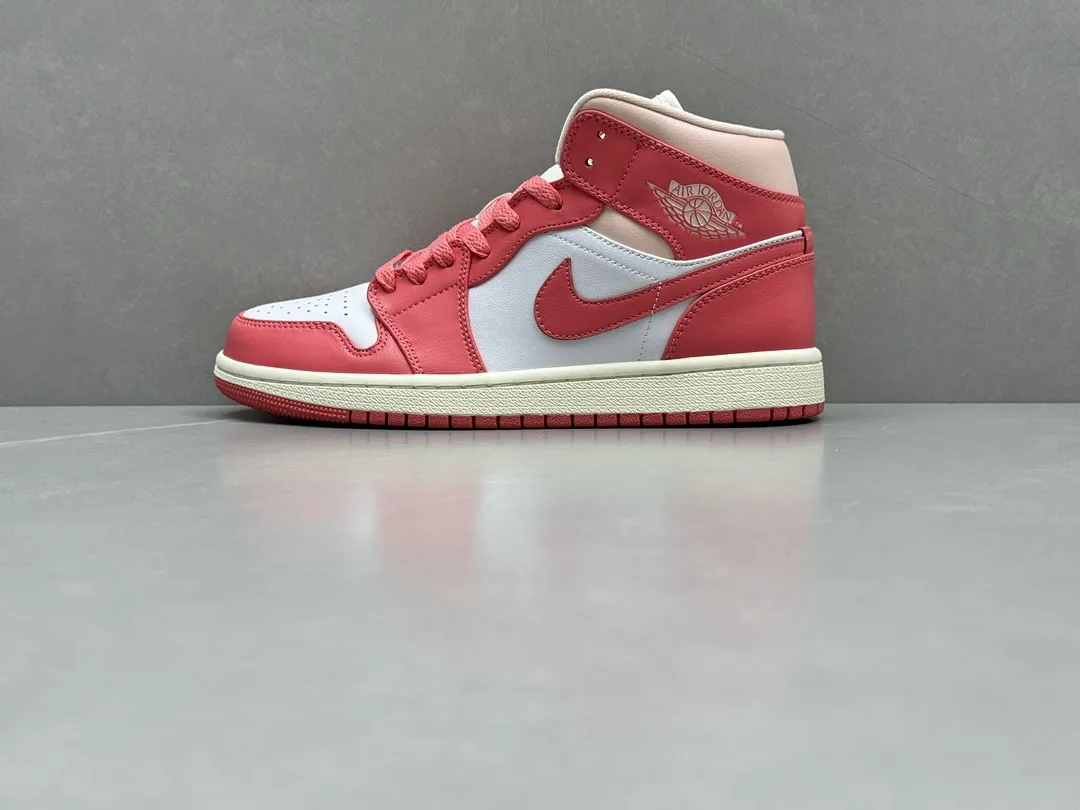
ChunYuan 230 AJ1 Zhongbang Pure Original Version Pink Basketball Shoes, Size 36-46 (Including Half Sizes)
Original price was: $325.00.$152.17Current price is: $152.17.
Nike Shox TL Beige Running Shoes
Original price was: $188.00.$83.23Current price is: $83.23.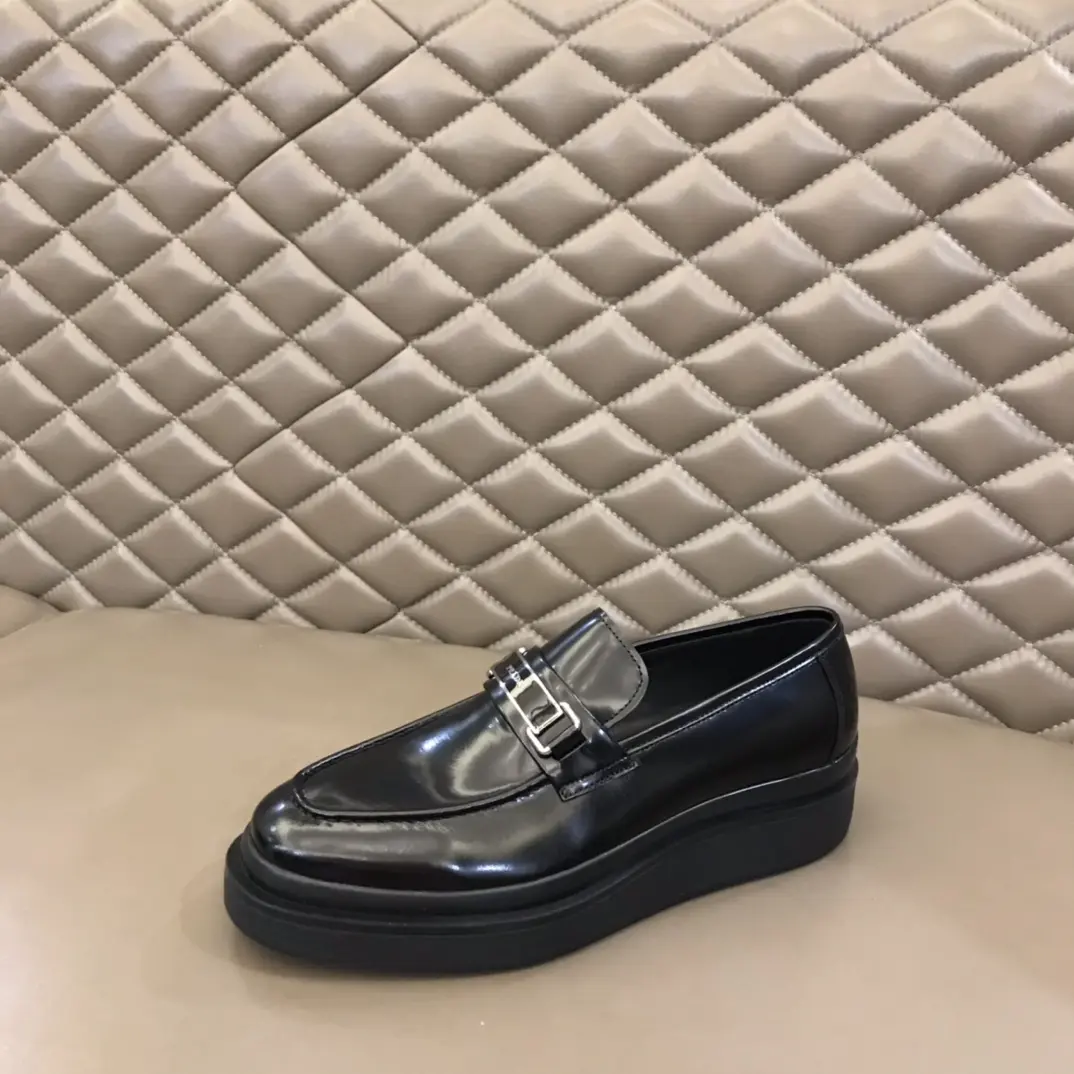
Prada Men’s Black Thick-Sole Lace-Up Derby Shoes – Modern Square Toe Design, Size 38-44
Original price was: $425.00.$205.88Current price is: $205.88.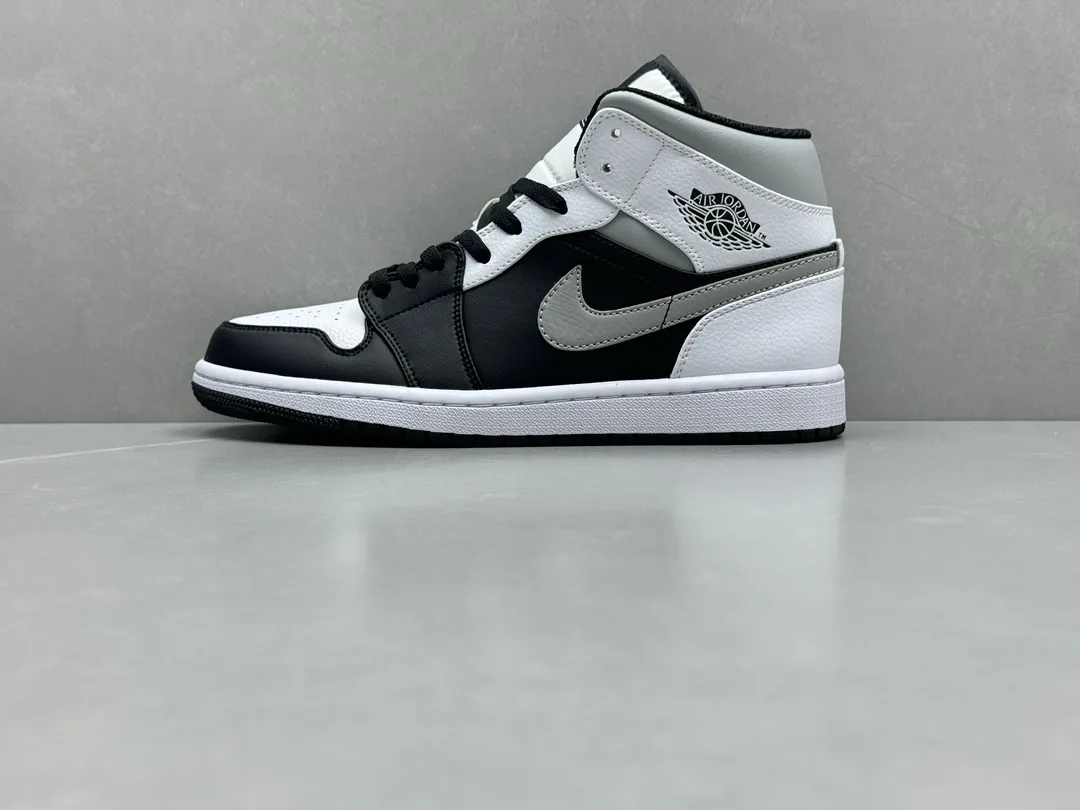
ChunYuan 230 AJ1 Zhongbang Pure Original Version Black/White/Grey Basketball Shoes, Sizes 36-46 (Including Half Sizes)
Original price was: $325.00.$152.17Current price is: $152.17.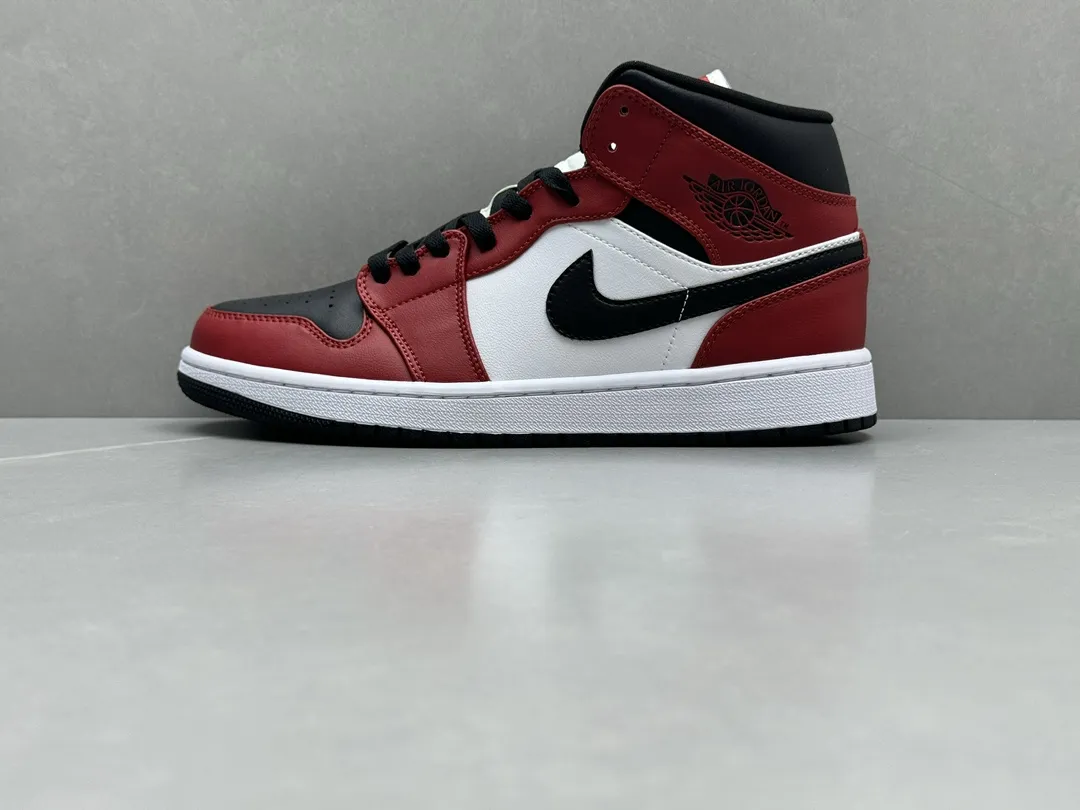
Nike Air Jordan 1 Mid “Black Toe Chicago” – Red/Black/White – Basketball Shoes for Men, Sizes 36-46 (Including Half Sizes)
Original price was: $325.00.$152.17Current price is: $152.17.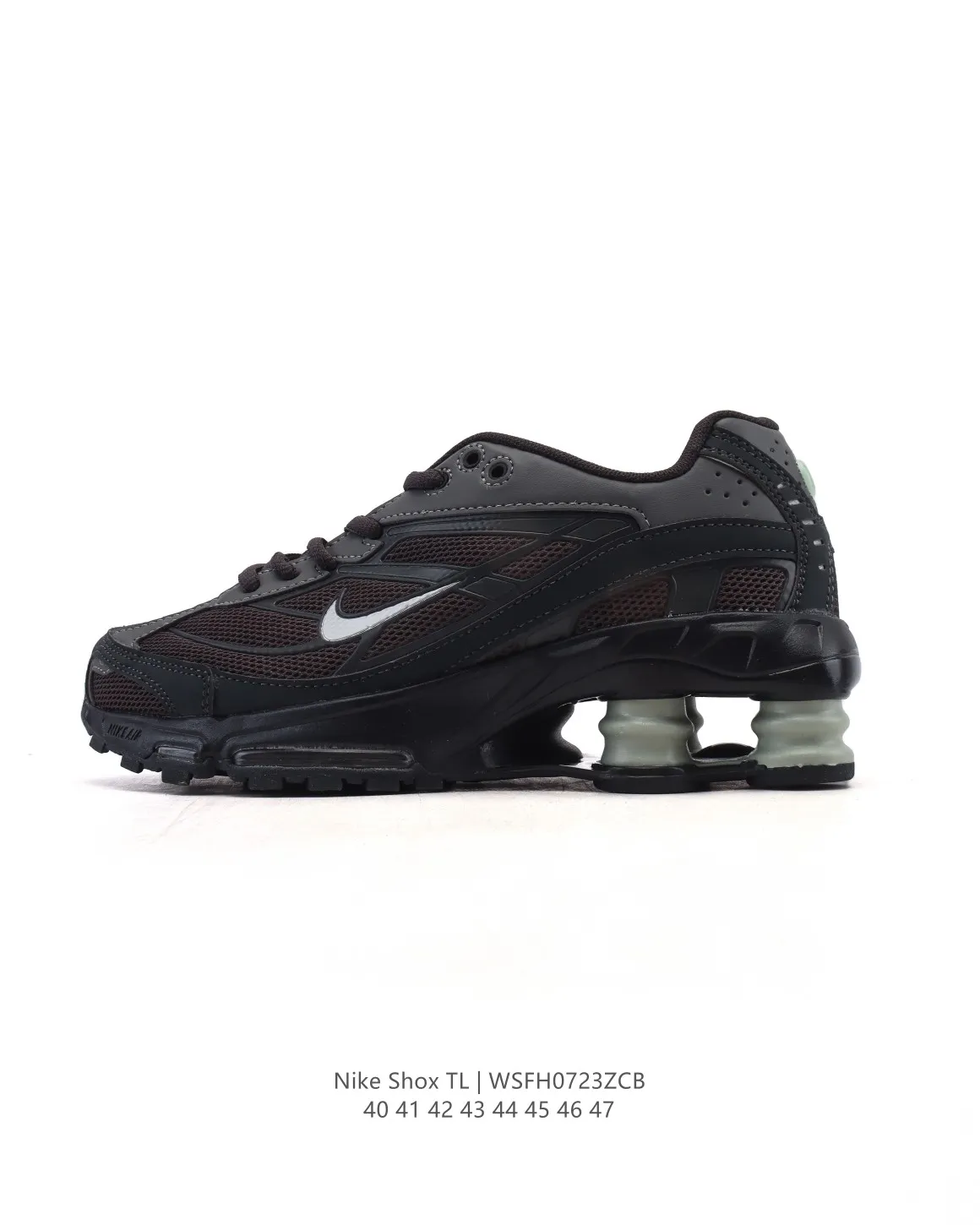
Nike Shox TL Black Running Shoes
Original price was: $188.00.$83.23Current price is: $83.23.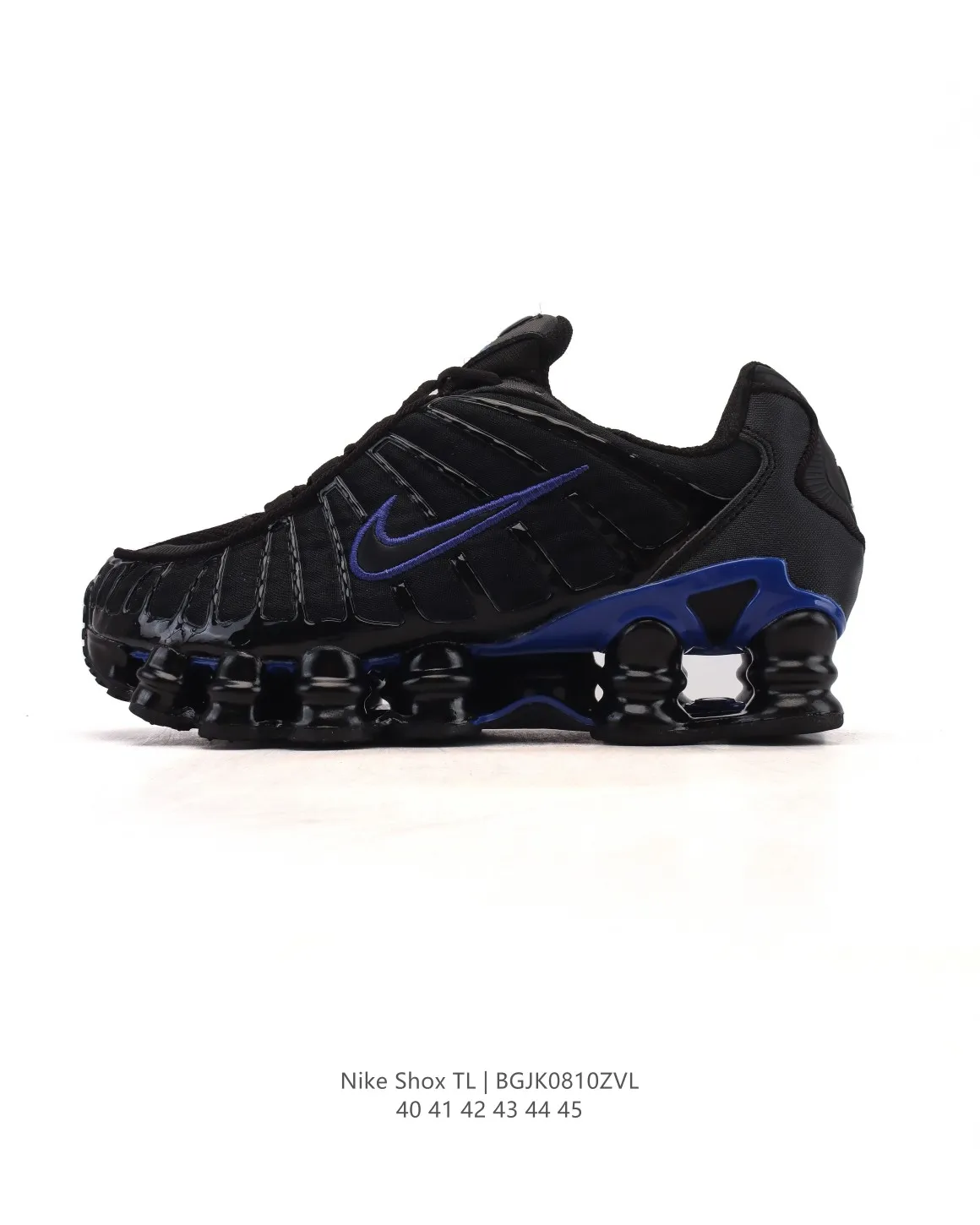
Nike Shox TL Black Blue Running Shoes
Original price was: $188.00.$83.23Current price is: $83.23.
Nike Vapor Max Black Red Air Cushion Running Shoes – Classic 2023 Reprint, Multiple Sizes Available
Original price was: $325.00.$152.17Current price is: $152.17.
Pure Origin 230 AJ1 Zhongbang Pure Original Version Basketball Shoes – Black/White/Orange – Sizes 36-46 (Including Half Sizes)
Original price was: $325.00.$152.17Current price is: $152.17.
Nike Shox TL Black Mens Running Shoes
Original price was: $188.00.$83.23Current price is: $83.23.
Balenciaga P500 16XL Low-Top Dad Shoes in White and Navy – Round Toe Lace-Up Style
Original price was: $600.00.$232.16Current price is: $232.16.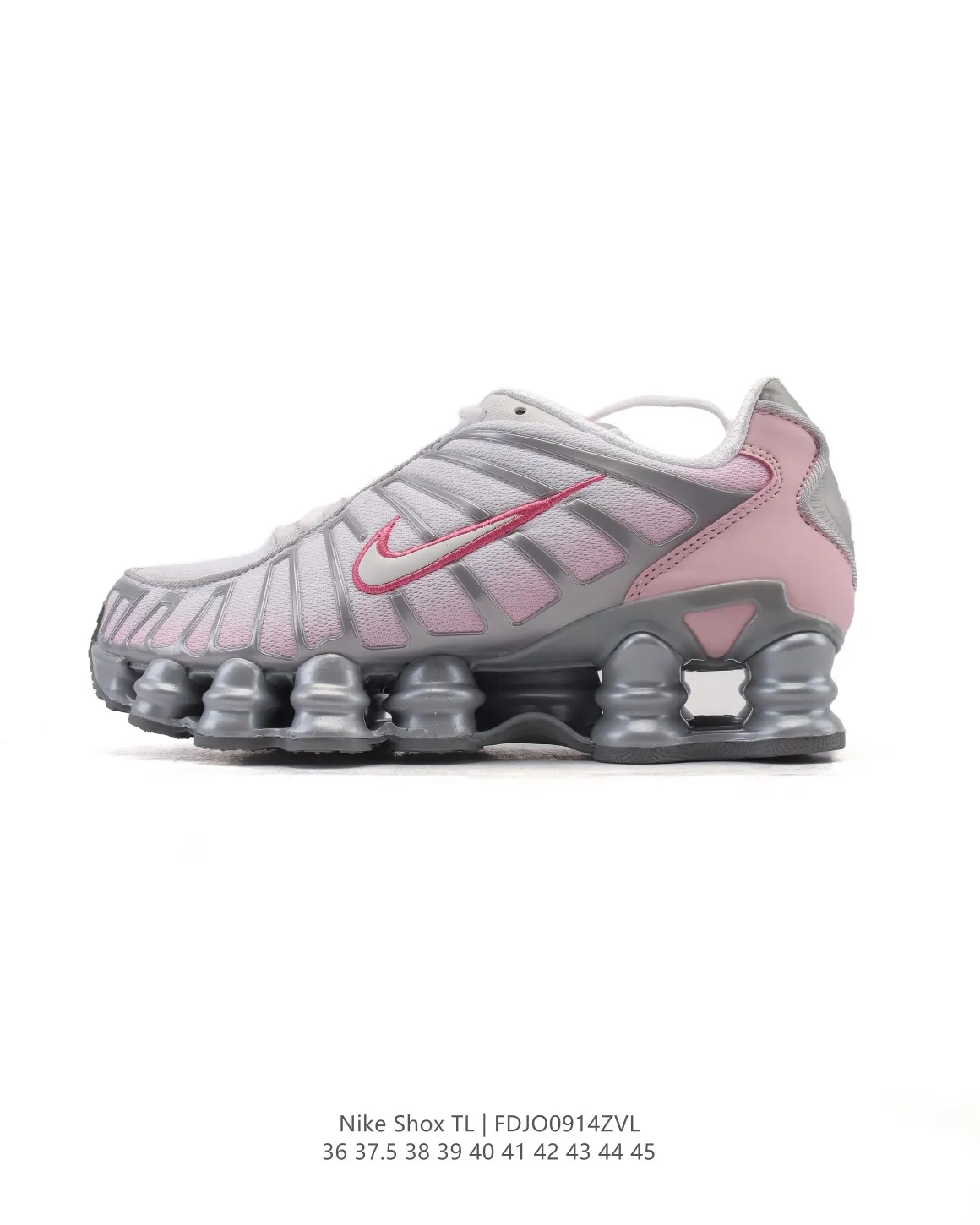
Nike Shox TL CI7692 Pink Grey Running Shoes
Original price was: $188.00.$83.23Current price is: $83.23.About how to remove scratches from fake patent leather shoes
**How to Remove Scratches from Fake Patent Leather Shoes: A Deep Dive into Material Science and Maintenance**
When you drop serious cash on a pair of replica patent leather sneakers—whether it’s a LJR Jordan 1 Retro High OG or a FK Dunk Low—nothing kills the hype faster than a fresh scratch marring that glossy finish. Unlike genuine patent leather, which uses a high-gloss polyurethane coating over real leather, high-end replicas rely on layered synthetic films that mimic the look but lack the same durability. The result? Scratches that go deeper than surface-level wear, exposing the underlying material and ruining the illusion. But before you resign yourself to a pair of dull, scratched-up shoes, let’s break down why these scratches happen, how to prevent them, and the most effective ways to remove them without damaging the delicate film.
**Leather & Material Specifications: Tumbled Leather, Suede Texture & Upper Quality**
The first step in understanding scratch removal is recognizing the material you’re dealing with. Most high-end patent leather replicas—especially those from the LJR and FK batches—use a **tumbled full-grain leather base** coated with a **thermoplastic polyurethane (TPU) film** for that mirror-like finish. Unlike cheaper FK batches that rely on a thinner, more brittle PVC layer, LJR’s TPU film is thicker and more flexible, which is why it resists cracking better but still scratches under pressure.
Here’s where it gets tricky: the **creasing behavior** of the underlying leather plays a massive role in scratch visibility. A well-made LJR pair will have **minimal creasing** due to the leather’s tumbled treatment, which softens the grain and reduces stiffness. Cheaper FK batches, however, often use stiffer leather that creases aggressively, pulling the TPU film taut and making scratches more pronounced. If you’re dealing with a pair that creases heavily, you’re already fighting a losing battle—those deep folds will exacerbate any scratches over time.
For suede or nubuck finishes (common in retro colorways), the issue shifts from film damage to **fiber disruption**. Suede’s open-pore structure means scratches don’t just mar the surface—they **lift and fray the nap**, creating a fuzzy, uneven texture. Brushing these areas with a **suede eraser** or a **horsehair brush** can help redistribute the fibers, but it’s a temporary fix. The real solution? Prevention.
**Craftsmanship & Stitching Breakdown: Toe Box, Swoosh Placement & Sole Bonding**
Scratches aren’t just a material issue—they’re often a **design and construction flaw**. Let’s talk about the **toe box slimness** and **Swoosh placement**, two factors that indirectly contribute to scratch formation.
A poorly constructed toe box—common in budget FK batches—will have **sharp, angular edges** that dig into surfaces when you walk. Over time, these edges act like sandpaper, grinding against floors, car pedals, or even your jeans, wearing down the patent film. LJR batches, on the other hand, tend to have a **more rounded, ergonomic toe box**, which distributes pressure evenly and reduces friction.
Then there’s the **Swoosh placement**. In high-end replicas, the Swoosh is usually stitched or glued with precision, but misalignment—even by a millimeter—can create a **raised edge** that catches on surfaces. Run your finger along the Swoosh on a FK batch, and you’ll often feel a slight ridge where the glue has seeped out. That ridge is a scratch waiting to happen.
Finally, **sole bonding** plays a role in scratch formation. If the midsole or outsole isn’t properly adhered, the shoe can flex unnaturally, stressing the upper and causing the patent film to crack or peel. Qualityreps’ QC protocol includes a **sole bonding strength test**, where they apply 50 psi of pressure to the bond and check for separation. If the bond fails, the shoe is rejected—not just for comfort, but for longevity. A weak bond means the shoe will warp, pulling the patent film taut and making it more susceptible to scratches.
**Sizing, Fit & Cushioning Performance: On-Foot Comfort, Insole Measurements & Sizing Advice**
Here’s the hard truth: **sizing directly impacts scratch formation**. A shoe that’s too tight will force your toes against the toe box, creating friction that wears down the patent film. A shoe that’s too loose will slide around, rubbing against surfaces and causing micro-scratches.
Most replica sneakers run **true to size**, but there are exceptions. FK batches, for example, often run **half a size small**, while LJR batches tend to fit **true to size or slightly large**. If you’re between sizes, go up—you can always add a thicker insole for a snugger fit. Speaking of insoles, the **cushioning performance** matters more than you think. A shoe with a thin, flat insole (common in budget FK batches) will force your foot to bear more weight, increasing pressure on the toe box and accelerating wear.
For those with wider feet, **toe box width** is critical. A narrow toe box will compress your toes, increasing friction against the patent film. LJR batches typically have a **roomier toe box**, while FK batches can feel constricting. If you’re dealing with a pair that feels tight, consider stretching them with a shoe stretcher or wearing thicker socks to reduce direct contact.
**Qualityreps QC Protocol & Customs Guarantee**
Before we dive into scratch removal, let’s talk about **prevention through QC**. Qualityreps doesn’t just slap a “high-quality” label on their shoes—they put every pair through a **four-step inspection process** before it ships:
1. **HD Precision Measurement & UV Light Inspection**: Every shoe is measured with calipers to ensure dimensions match the retail specs within 0.5mm. Under UV light, the patent film is checked for inconsistencies, glue seepage, or film thinning—all of which are red flags for premature scratching.
2. **Sole Bonding & Stitching Strength Test**: The shoe is subjected to a **50 psi pull test** on the midsole and outsole bond. If the bond fails, the shoe is rejected. Stitching density is also checked—FK batches often have **sparse stitching** that can unravel under stress, exposing the upper to damage.
3. **Box, Laces & Tag Accuracy Check**: The shoe is compared against a retail reference for **box shape, lace length, and tag placement**. Misaligned tags or off-brand laces might seem minor, but they’re often indicators of a rushed batch that cuts corners elsewhere.
4. **Customs Reshipment Guarantee**: If your package gets held at customs, Qualityreps **covers the reshipment cost 100%** and sends a replacement within 5-7 business days. No hidden fees, no “restocking” nonsense—just a straight-up guarantee that you’ll get your shoes.
**Care & Maintenance Guide: Preventing Scratches Before They Happen**
Now, let’s talk about **removing existing scratches** and **preventing new ones**. The key is to **work with the material, not against it**.
**For Patent Leather:**
- **Minor Scratches (Surface-Level):** Use a **microfiber cloth** dampened with a **small amount of isopropyl alcohol (70% or less)**. Gently buff the scratch in a circular motion. The alcohol softens the TPU film slightly, allowing it to settle back into place. Avoid using harsh cleaners like Windex—they contain ammonia, which can degrade the film over time.
- **Deep Scratches (Exposing Underlying Leather):** These are trickier. First, clean the area with isopropyl alcohol to remove any dirt. Then, apply a **thin layer of clear nail polish** (acetone-free) to the scratch. Let it dry, then buff with a microfiber cloth. This fills the gap temporarily, but it’s not a permanent fix—expect the scratch to reappear as the film wears down.
- **Prevention:** Apply a **patent leather conditioner** (like Angelus Leather Finish) every 2-3 months. This keeps the TPU film flexible and less prone to cracking. Avoid walking on rough surfaces like concrete or gravel—opt for smooth floors or carpeted areas when possible.
**For Suede/Nubuck:**
- **Brush First:** Use a **suede brush** or **eraser block** to lift the nap and redistribute the fibers. Work in one direction to avoid further fraying.
- **Scratch Cover-Up:** For deeper scratches, use a **suede marker** or **fabric dye** to blend the area. Test the product on an inconspicuous spot first—some dyes can bleed.
- **Prevention:** Spray the suede with a **waterproofing spray** (like Crep Protect) to repel dirt and reduce fiber disruption. Store the shoes in a **suede bag** or box with cedar blocks to absorb moisture.
**General Maintenance Tips:**
- **Avoid Machine Washing:** Even if the shoe is labeled “machine washable,” the agitation will damage the patent film or suede nap. Hand-wash with a damp cloth and mild soap instead.
- **Rotate Your Shoes:** Don’t wear the same pair two days in a row. Give the patent film time to recover and the leather time to breathe.
- **Store Properly:** Keep shoes in a **cool, dry place** away from direct sunlight. UV rays degrade the TPU film, making it more brittle and prone to scratching.
At the end of the day, scratches on replica patent leather shoes are inevitable—but they don’t have to be permanent. The best offense is a good defense: **invest in a high-quality batch (LJR > FK), maintain the shoes properly, and handle them with care**. If you’re buying from Qualityreps, you’re already ahead of the game thanks to their rigorous QC and customs guarantee. But no matter where you source your shoes, remember: **replica sneakers are tools, not investments**. Treat them like the high-performance gear they are, and they’ll last you hundreds of wears before showing their age.